Remote care for chronic conditions – Can chronic illnesses be managed at home?
For many people living with chronic illness, the burden of everyday life does not come only from the condition itself, but also from organizing and accessing care. This raises an important question: could managing chronic conditions be easier remotely, from home?
Living with a chronic condition means constantly balancing everyday life, symptoms, and healthcare. Even when a condition is well managed, it often involves regular check-ups, measurements, and ongoing concern about whether everything is still under control.
For many people with chronic illnesses, the burden of daily life does not come only from the condition itself, but also from managing care. Scheduling appointments, traveling to appointments, and waiting times can turn even a simple follow-up visit into something complicated. This is why many people start to wonder whether managing chronic conditions could be easier remotely.
Managing chronic conditions can put strain on everyday life
Chronic diseases such as diabetes, hypertension, or asthma often require continuous monitoring. Measurements, symptom evaluation, prescription renewals, and regular medical reviews are needed to keep the condition under control. Still, people often delay seeking care.
The burden is not necessarily caused by the illness itself, but by the practical realities of everyday life. When a doctor’s visit means time off work, travel expenses, and constant rescheduling, it can quickly become overwhelming.
When a doctor’s visit means time off work, travel expenses, and constant rescheduling, it can quickly become overwhelming.
Can chronic disease management move home?
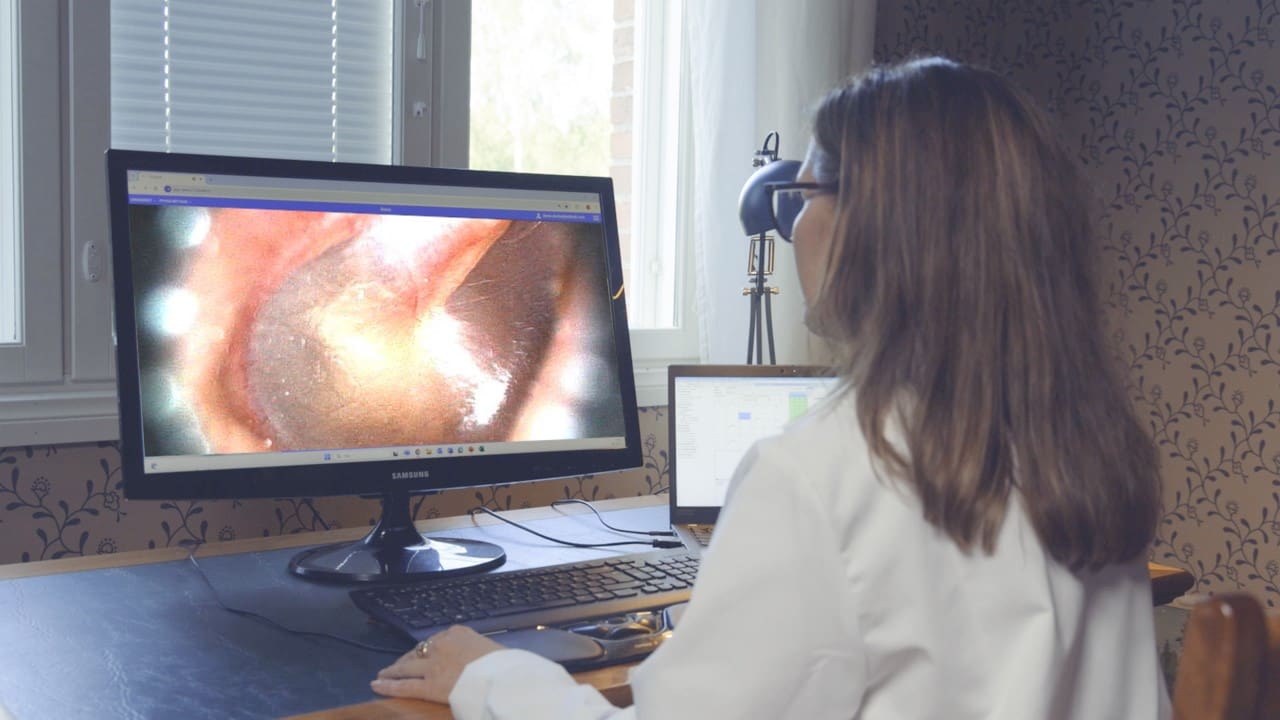
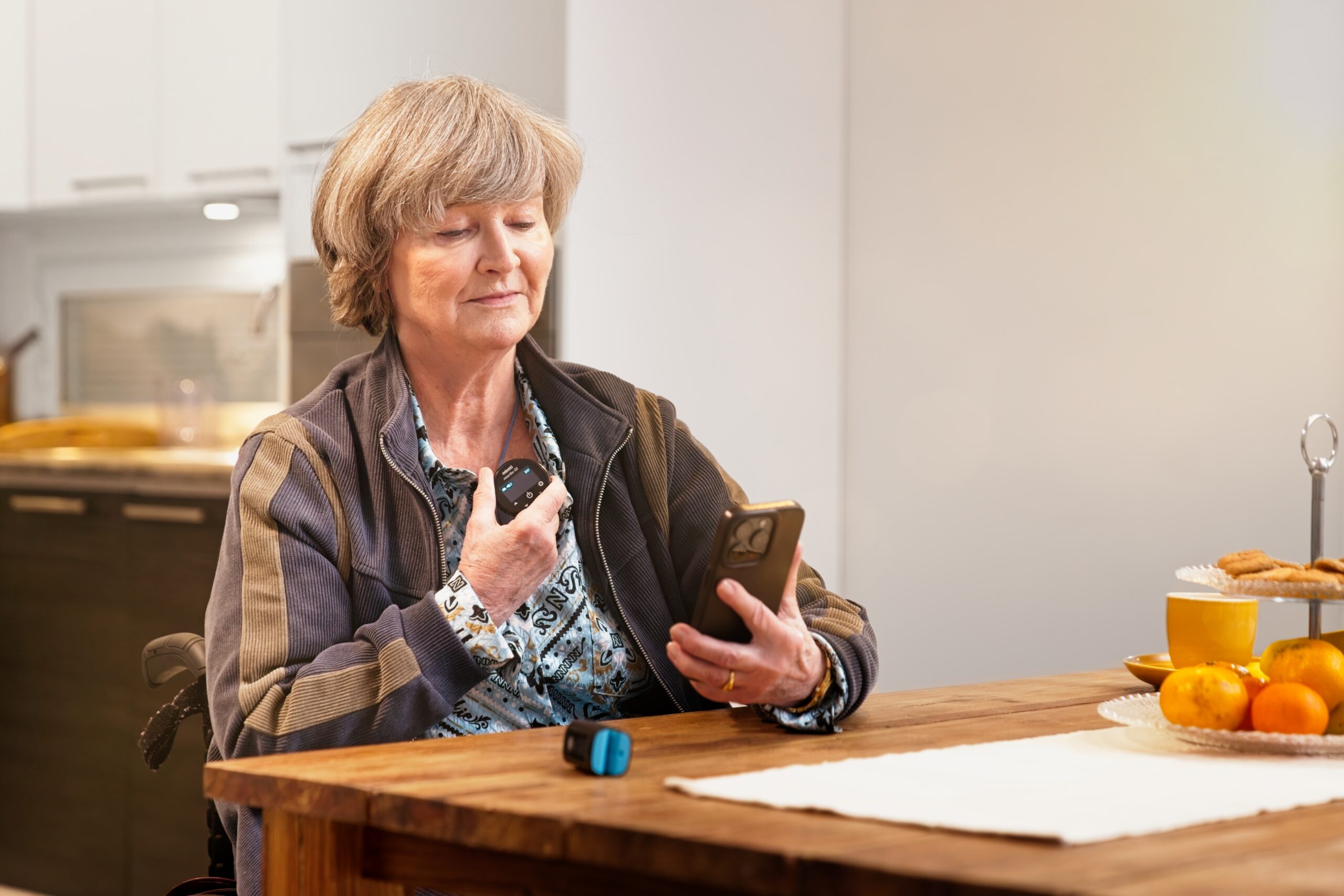
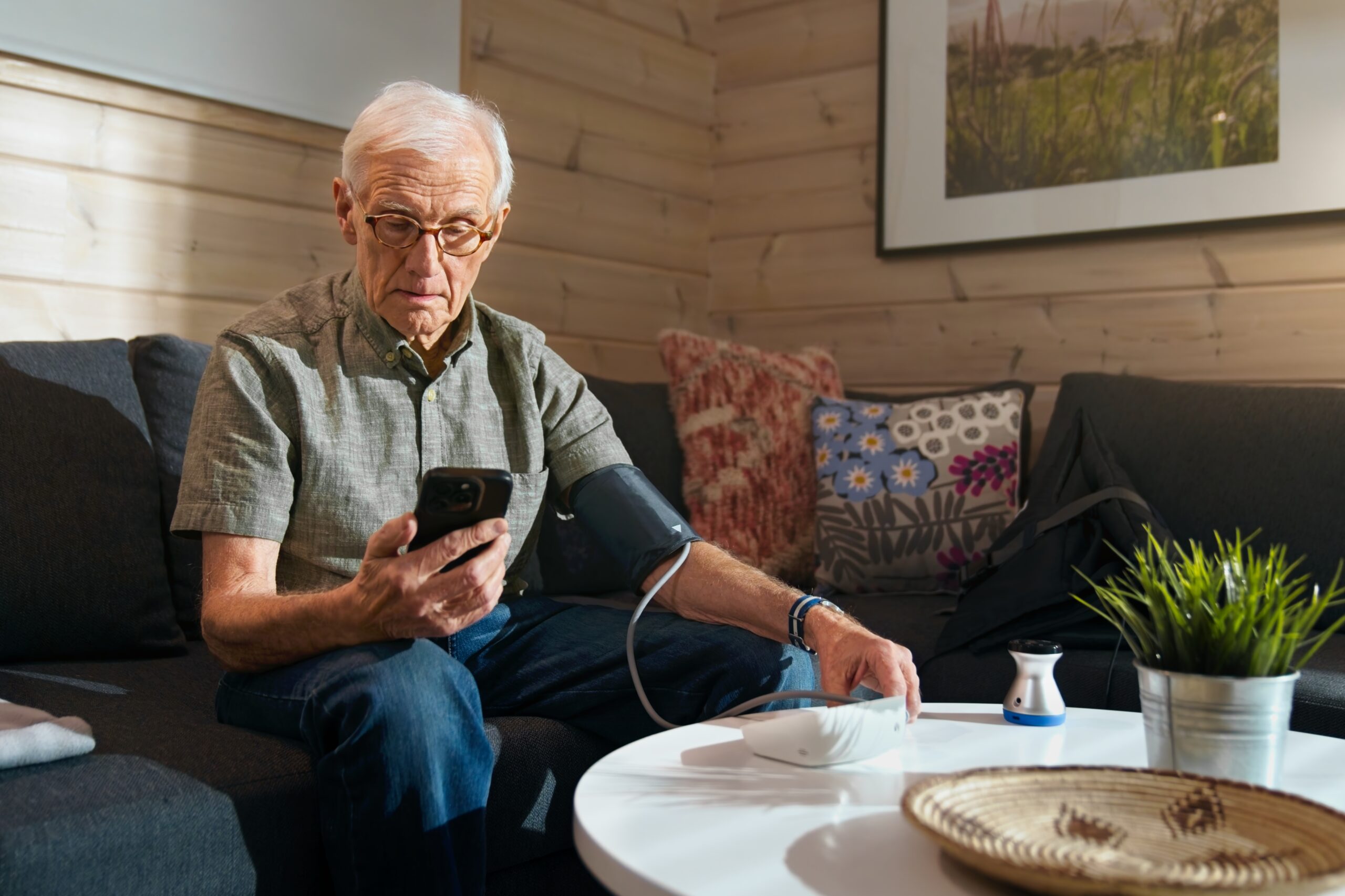
With Omply’s technology, medical examinations can now be performed in the patient’s home. Through our solution, patients can carry out the necessary measurements themselves using diagnostic devices connected to their smartphone.
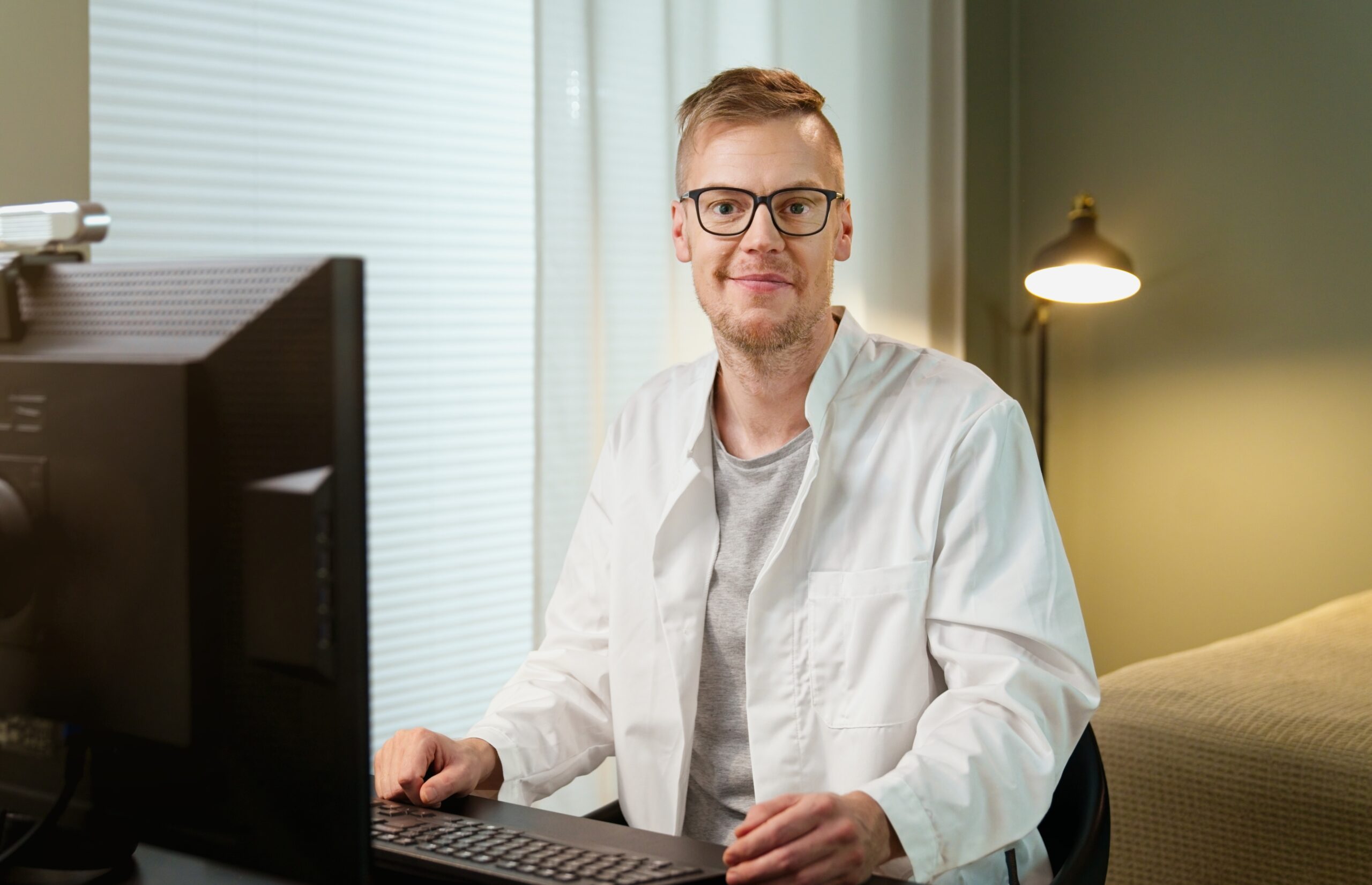
These diagnostic devices transfer measurement data in real time to both the Omply app and the physician’s interface. This allows the doctor to listen to heart and lung sounds, review blood pressure, oxygen saturation, and more, even if the patient and doctor are hundreds of miles apart.
Omply connects the patient to the doctor remotely, using a smartphone app. With this technology the doctor can assess and monitor a patient’s condition. Tasks such as prescription renewals or evaluating new symptoms no longer require a physical visit in most cases. This makes everyday life significantly easier for people living with conditions like diabetes, hypertension, or asthma.
This makes everyday life significantly easier for people living with conditions like diabetes, hypertension, or asthma.
A sense of safety is essential in chronic care
In managing chronic conditions, it is not only medication or individual appointments that matter. Equally important is the patient’s sense that their condition is under control.
When access to a doctor’s care is easy and examinations can be performed in easily at home, small changes can be detected before they develop into more serious issues. The later treatment begins, the more complex and burdensome care pathways often become, both for the patient and our healthcare system. When access to care is simple, patients seek help earlier. This improves quality of life and reduces unnecessary worry, while also easing the overall care process.
Remote monitoring can also reduce the burden on healthcare systems
When chronic disease monitoring can be done at home, the impact extends beyond the individual patient. A large share of healthcare resources is currently spent on treating complications of chronic conditions. For example, complications caused by untreated or poorly managed diabetes result in billions in annual costs. According to our estimates, even a 30 to 50 percent reduction in complicated cases could translate into societal savings of up to 0.7 to 1.6 billion euros. At the same time, when part of the monitoring can be handled remotely, healthcare resources can be redirected to patients who truly need in-person care.
Related Content
More stories and updates you might find interesting.