Remote appointment vs video appointment – Understand the differences
When you understand the differences between remote and video appointments, you can better evaluate which type of service best meets your needs.

Digital healthcare has developed rapidly, and more and more people encounter the terms remote appointment and video appointment when seeking care online. Although these terms are often used interchangeably, there is a significant difference between them. When you understand the distinction, you can better evaluate which type of service truly meets your needs.
What is a video appointment?
A video-based appointment is, at its simplest, a doctor’s appointment conducted via video call. It works much like a traditional visit, except the doctor and patient communicate through a screen.
The biggest advantage of a video appointment is its convenience and speed. You can attend the appointment from home, work, or even while traveling, without needing to visit a clinic. This saves time, reduces waiting, and lowers the threshold for seeking care. Video-based appointments have been an important step toward more accessible healthcare, making it easier to consult a doctor in situations where visiting in person would feel too burdensome.
Video appointments are particularly suitable for situations where a doctor can assess the case based on discussion alone. These may include:
- prescription renewals
- general health questions
- evaluation of mild symptoms
- follow-up consultations
However, the limitation of a video appointments is that the doctor cannot perform physical examinations. If the situation requires listening to heart sounds, examining the ears, or measuring oxygen saturation, a video call alone is often not sufficient. For this reason, many video consultations ultimately lead to a recommendation to visit a physical clinic. This can leave patients feeling frustrated if the issue is not resolved or if an in-person visit was needed anyway.
The limitation of a video appointments is that the doctor cannot perform physical examinations.
What is a remote appointment?
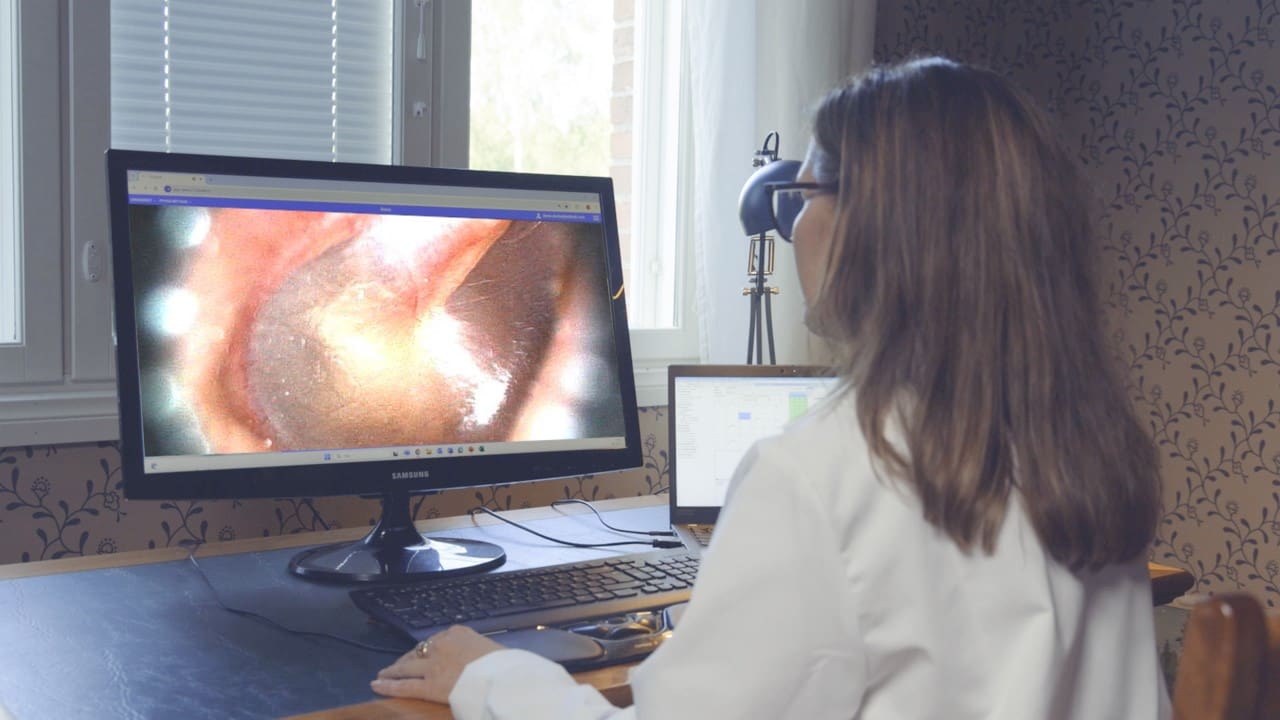
A remote appointment refers to a broader form of digital healthcare. While it may include a video connection, it can also incorporate various digital diagnostic devices. This means the consultation is not based solely on conversation, but also on measurable health data.
With Omply appointment, many of the same examinations performed during a traditional visit can be done at a distance. For example:
- listening to heart sounds with a digital stethoscope
- measuring oxygen saturation
- checking blood pressure
- assessing lung sounds
- examining the ears with a digital otoscope
The key benefit of a remote appointment is that examination and consultation can be combined into a single remote visit. The patient can be at home, at work, or traveling, while the doctor can still assess their condition more comprehensively than through video alone.
This can speed up diagnosis, reduce unnecessary in-person visits, and make access to care easier in situations where a traditional appointment would be difficult to arrange.
In other words, remote appointments go beyond video by providing objective measurement data alongside the visual interaction. This allows diagnosis and treatment decisions to rely on more than just the patient’s description.
A remote appointment refers to a broader form of digital healthcare. While it may include a video connection, it can also incorporate various digital diagnostic devices.
Remote vs video appointment in practice
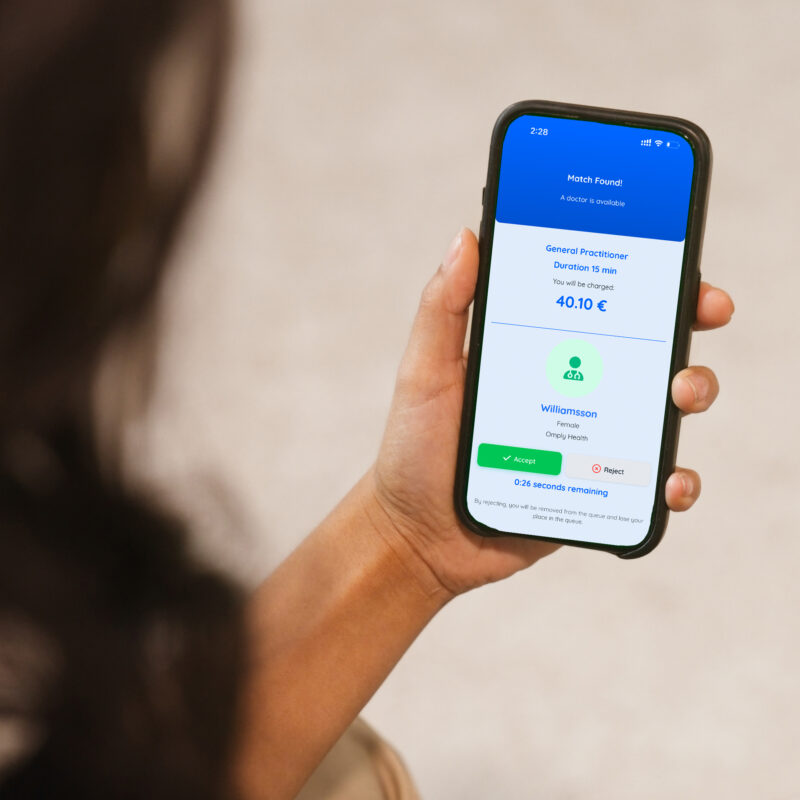
The main difference between remote and video consultations lies in examination capabilities. A video appointment is primarily based on discussion and symptom description. It is a quick and convenient way to handle many simple healthcare needs.
A remote appointment, on the other hand, brings examination capabilities closer to the patient. When the doctor has access to real measurement data, both diagnosis and treatment planning can be more precise.
Many healthcare professionals believe that a significant portion of primary care visits could be handled remotely in the future, as diagnostic devices become more integrated into digital services.
Why understanding the difference matters
When you understand the difference between remote and video appointments, you can better decide when and what type of digital care is sufficient. If you only need advice or discussion, a video appointment may be enough. But if your symptoms require more detailed assessment, a remote appointment offers significantly more possibilities without the need for an in-person visit.
Digital healthcare is evolving rapidly, and remote appointments are a key step toward more accessible care. When examination and consultation can be combined into one seamless service, visiting a doctor no longer means travel or waiting times.
Related Content
More stories and updates you might find interesting.